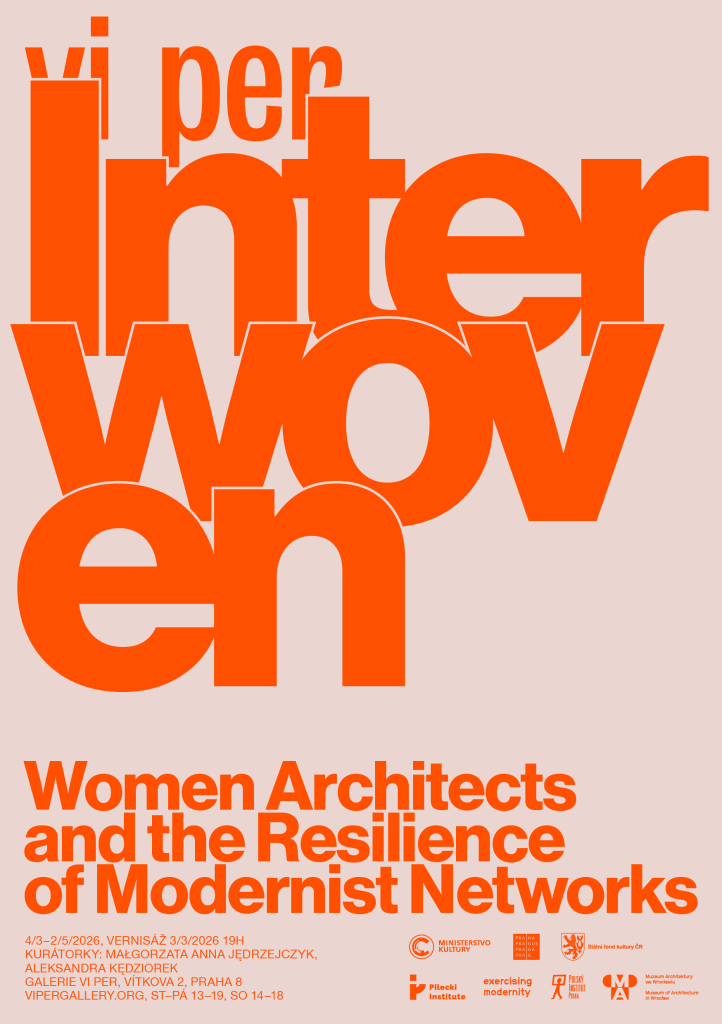
with Małgorzata Jędrzejczyk, VI PER, Prague, 4.03-2.05.2026
This exhibition explores the resilience and vulnerability of architectural networks in turbulent times. It revisits the history of the International Congresses of Modern Architecture (CIAM) milieu, viewing it from the perspective of its Central European female protagonists, including Helena Syrkus, Barbara Brukalska, Margarete Schütte-Lihotzky and Ise Gropius. It reflects on women’s contributions to community building, the exchange of ideas, and the establishment of transnational connections that helped shape the architectural discourse of modernity.
Working as architects and designers, but also as secretaries, translators and editors, women entered new – yet largely invisible – fields of professional architectural practice. In these acts of ‘performing’ gender, they played a crucial role in establishing and sustaining networks of collaboration, facilitating the transfer of ideas and the circulation of architectural concepts on a global scale. Major political events, including the Second World War, the establishment of the Eastern Bloc and the Iron Curtain, and the rise of communist regimes, profoundly disrupted these connections, though they did not entirely sever them. The exhibition thus narrates not only a history of architecture, but also the broader experience of Central and Eastern Europe, shaped by geopolitical upheavals, shifting borders, and changing political systems.
The project opens up space to reflect upon the position of women in architecture, presenting it through design practice, as well as through their role in pushing the boundaries of the discipline. Often invisible and marginalised forms of work break the linear narrative of ‘iconic’ projects, challenging the biases in the architectural historiography and broadening our understanding of architectural practice itself.
This project is a prelude to the exhibition Interwoven: Barbara Brukalska, Helena Syrkus, and the Networks of Modernism (Museum of Architecture in Wrocław, 25 June–4 October, 2026).
Curators: Małgorzata Jędrzejczyk, Aleksandra Kędziorek
Exhibition design: Marko Čambor
Graphic design: Anežka Hrubá Ciglerová
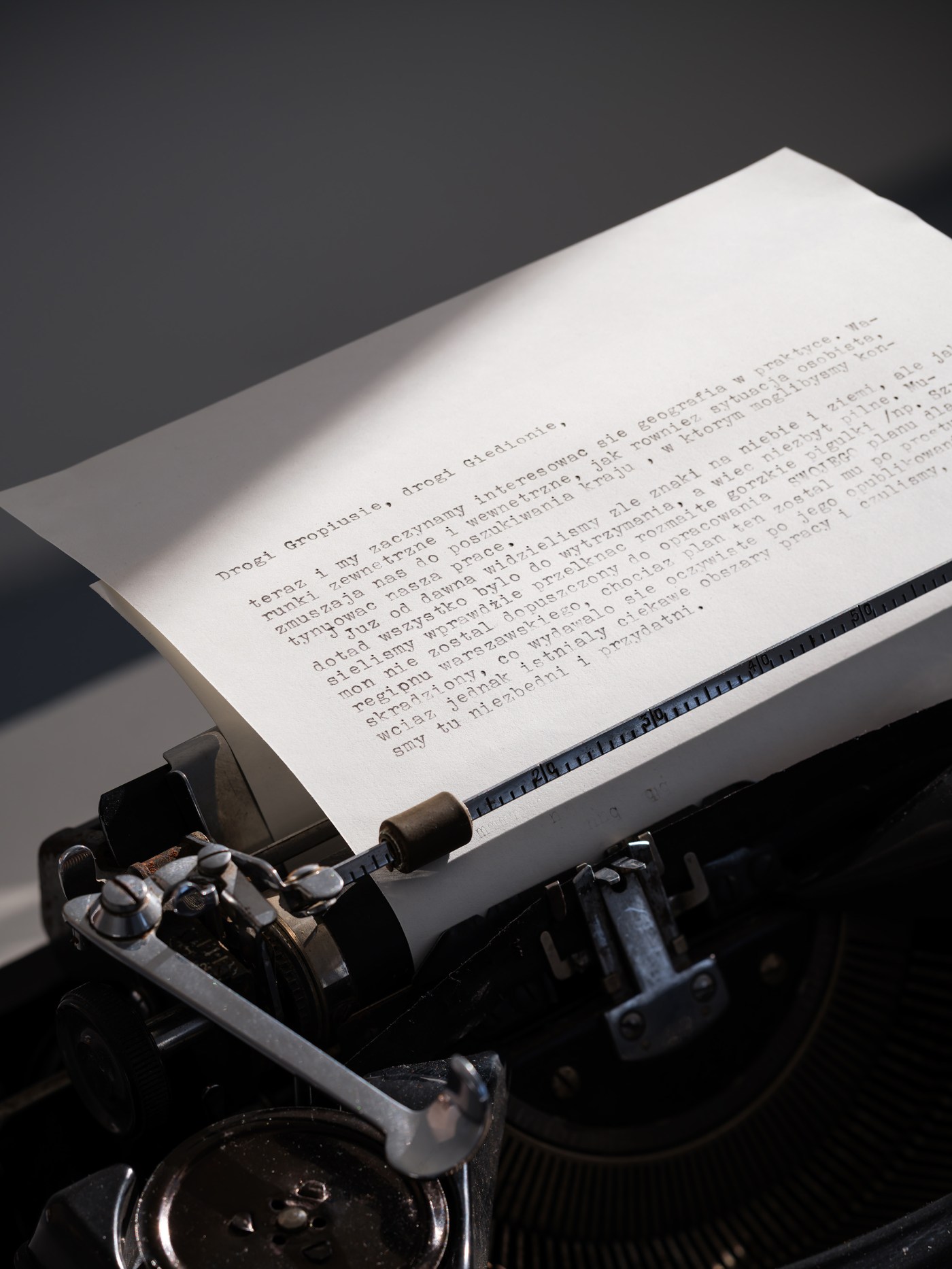
Cover photo: Zdeněk Porcal (Studio Flusser)
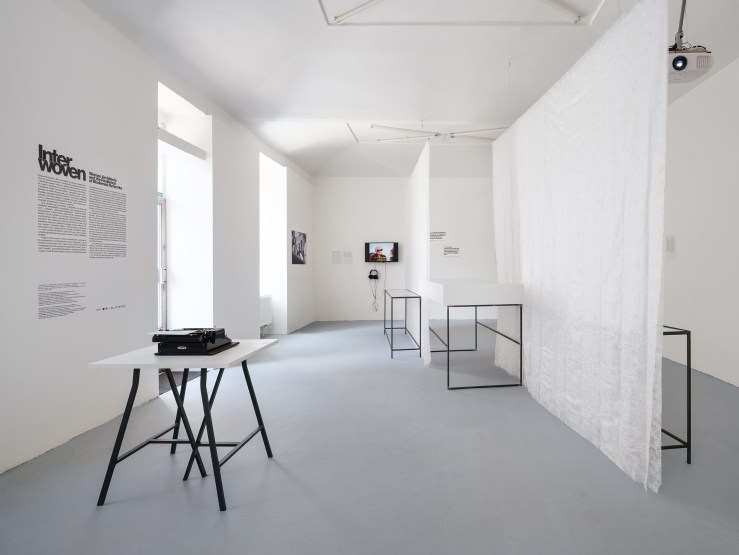
Photo: Zdeněk Porcal (Studio Flusser) 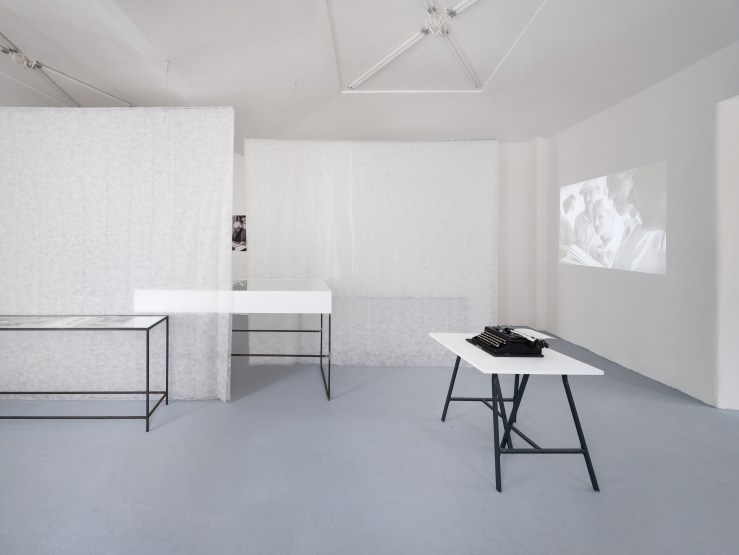
Photo: Zdeněk Porcal (Studio Flusser) 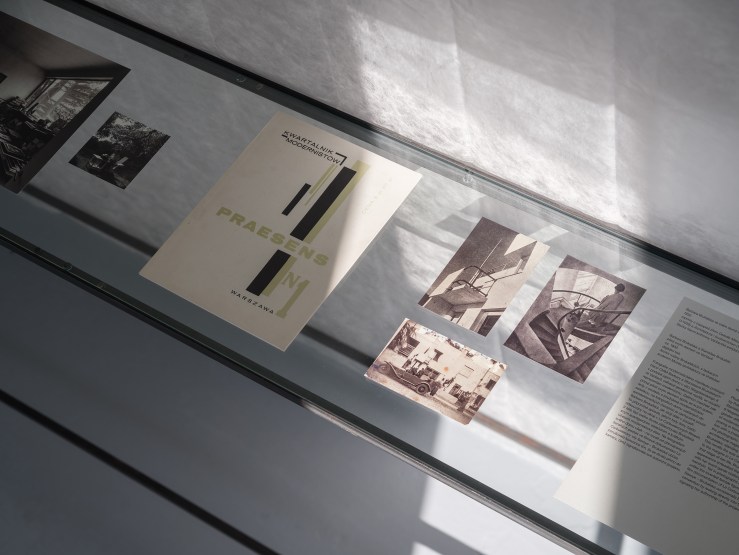
Photo: Zdeněk Porcal (Studio Flusser) 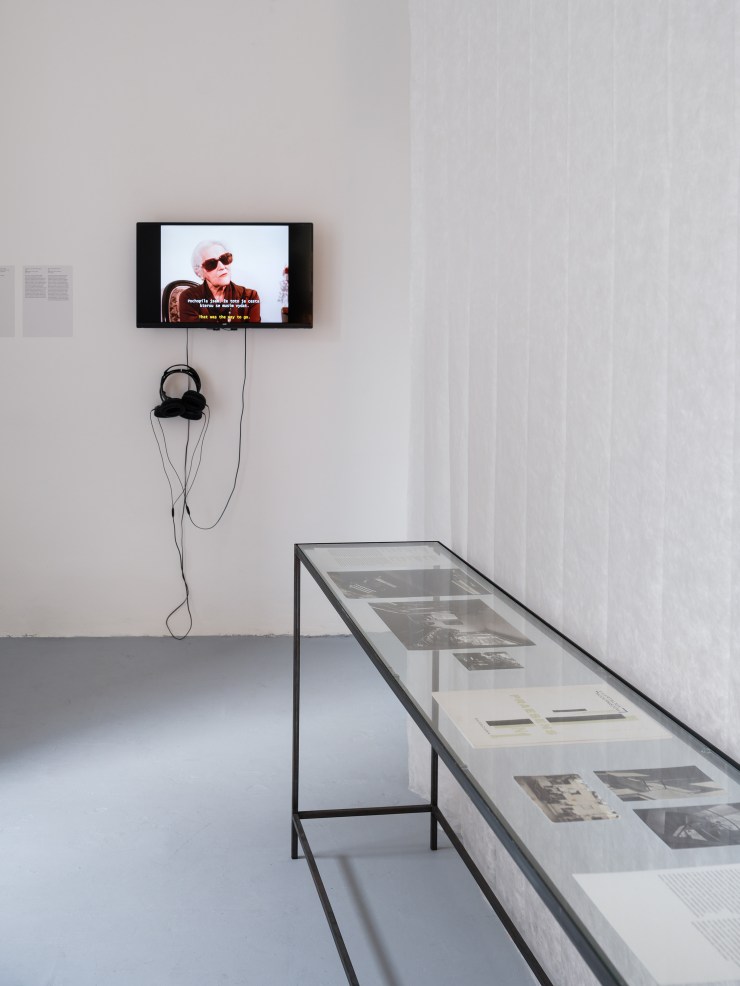
Photo: Zdeněk Porcal (Studio Flusser) 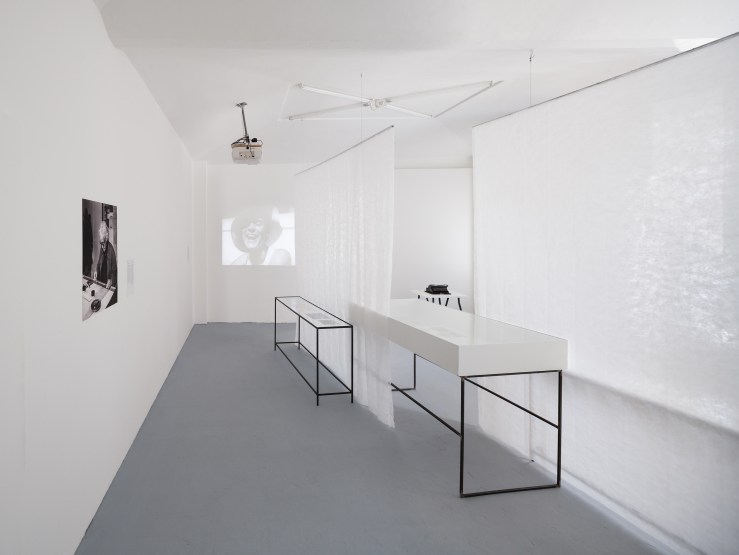
Photo: Zdeněk Porcal (Studio Flusser) 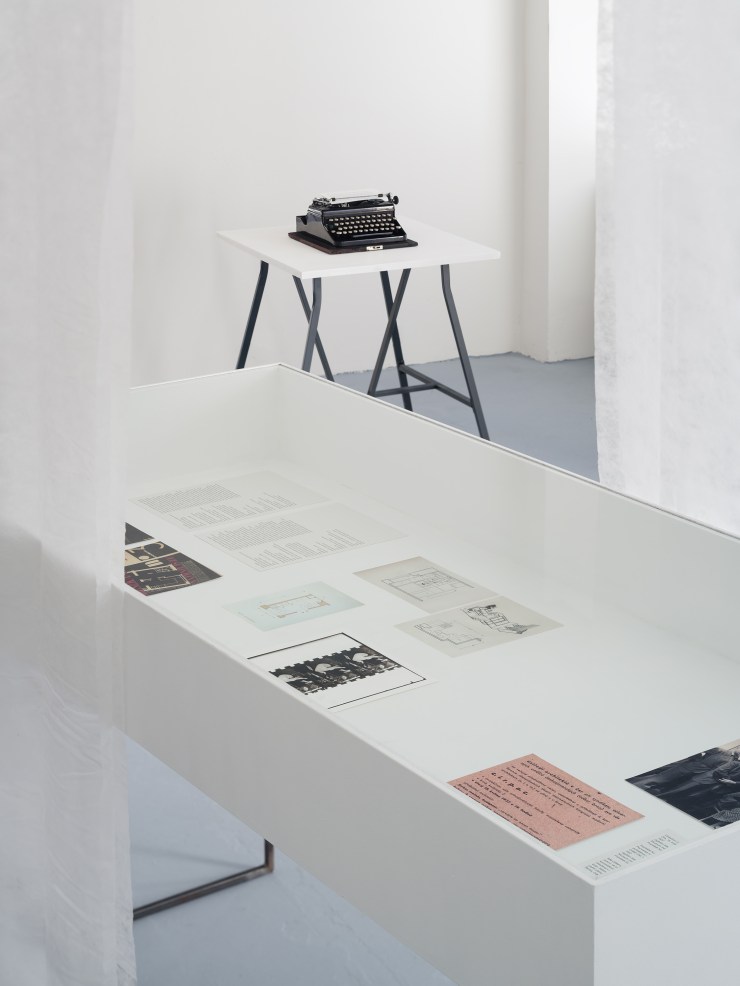
Photo: Zdeněk Porcal (Studio Flusser) 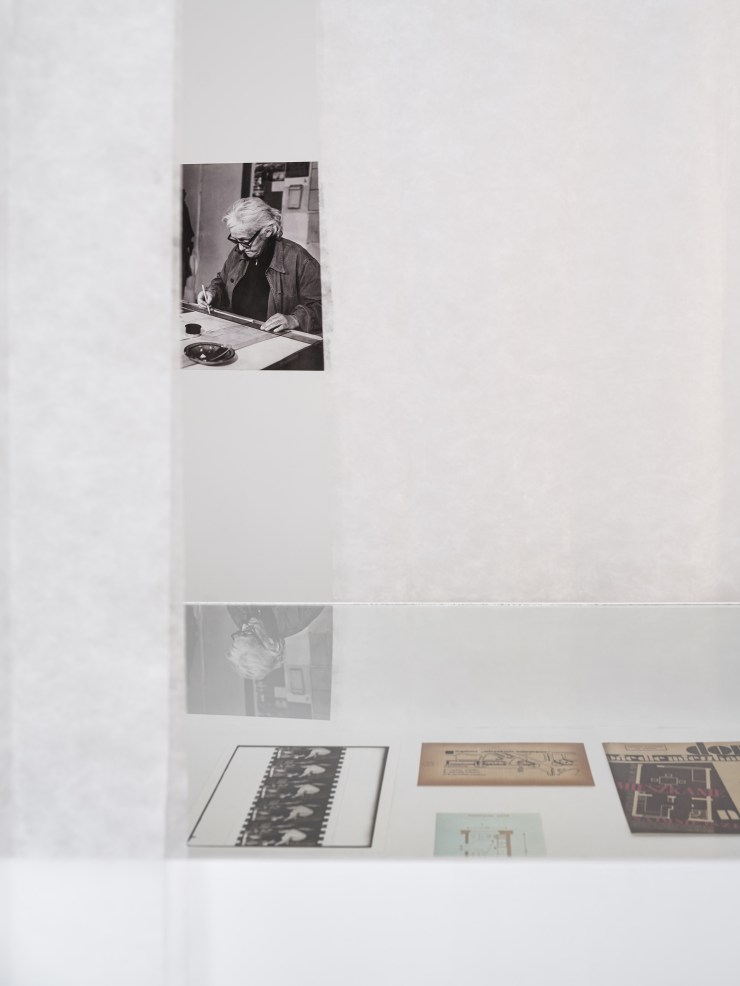
Photo: Zdeněk Porcal (Studio Flusser) 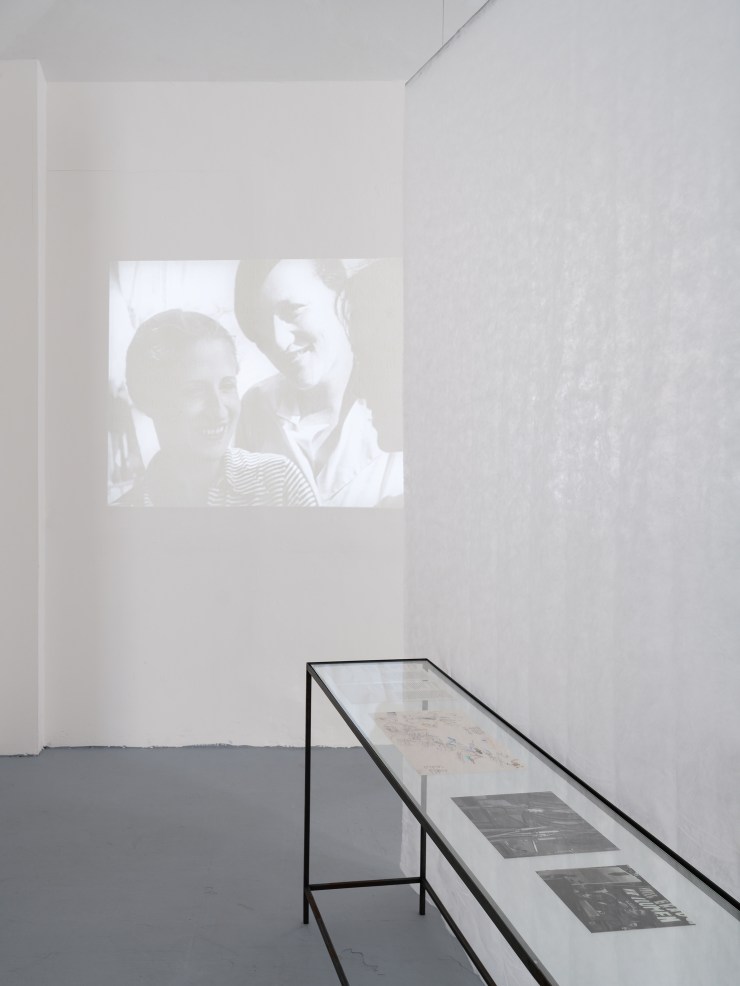
Photo: Zdeněk Porcal (Studio Flusser) 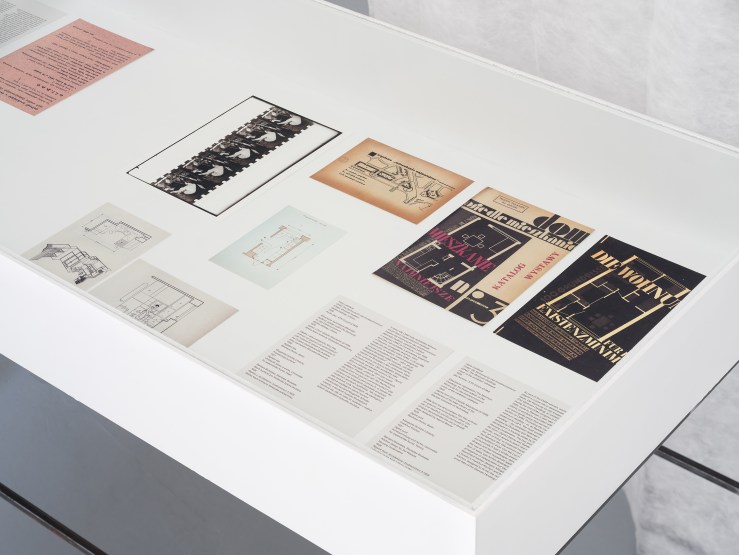
Photo: Zdeněk Porcal (Studio Flusser) 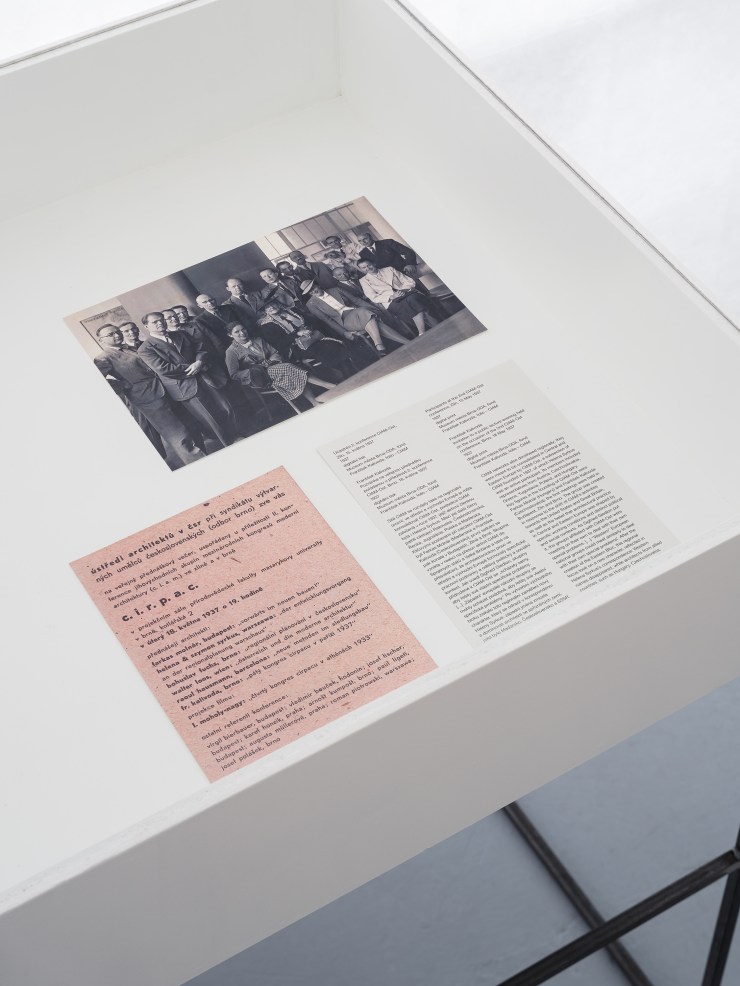
Photo: Zdeněk Porcal (Studio Flusser) 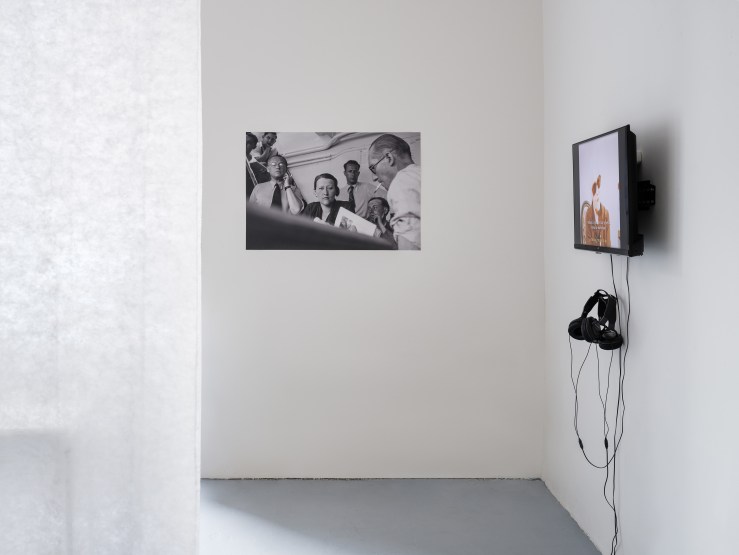
Photo: Zdeněk Porcal (Studio Flusser) 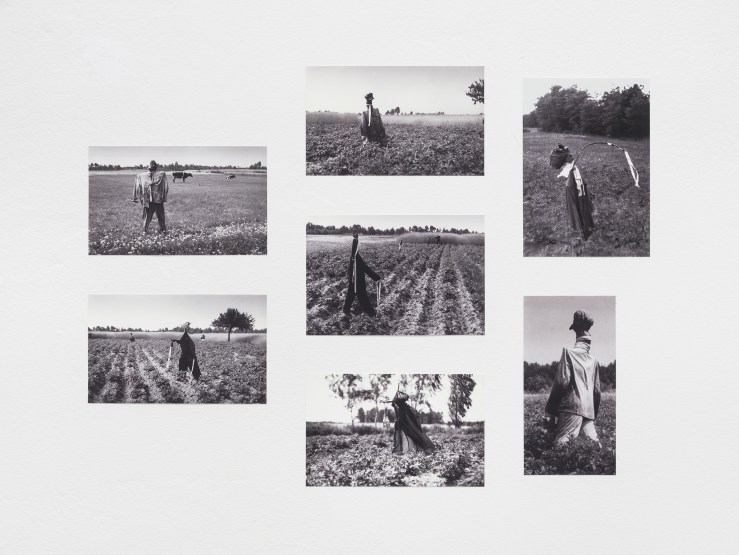
Photo: Zdeněk Porcal (Studio Flusser) 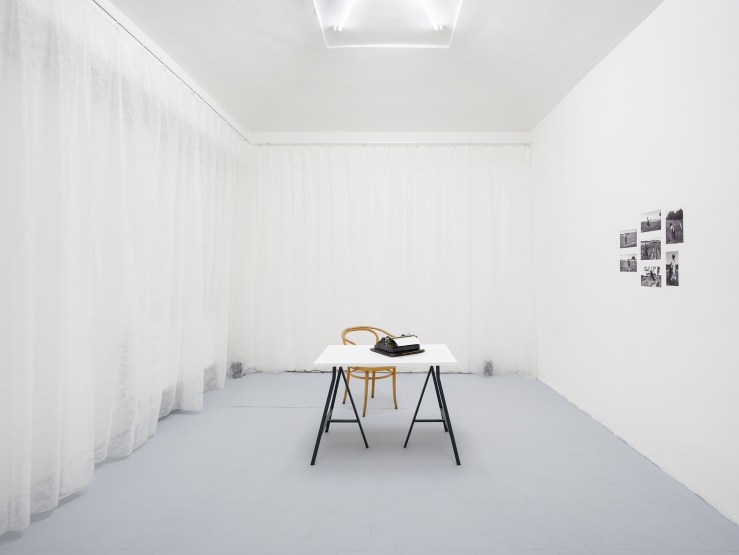
Photo: Zdeněk Porcal (Studio Flusser)
Supported by: Pilecki Institute Berlin, Exercising Modernity, Museum of Architecture in Wrocław, Polish Institute in Prague